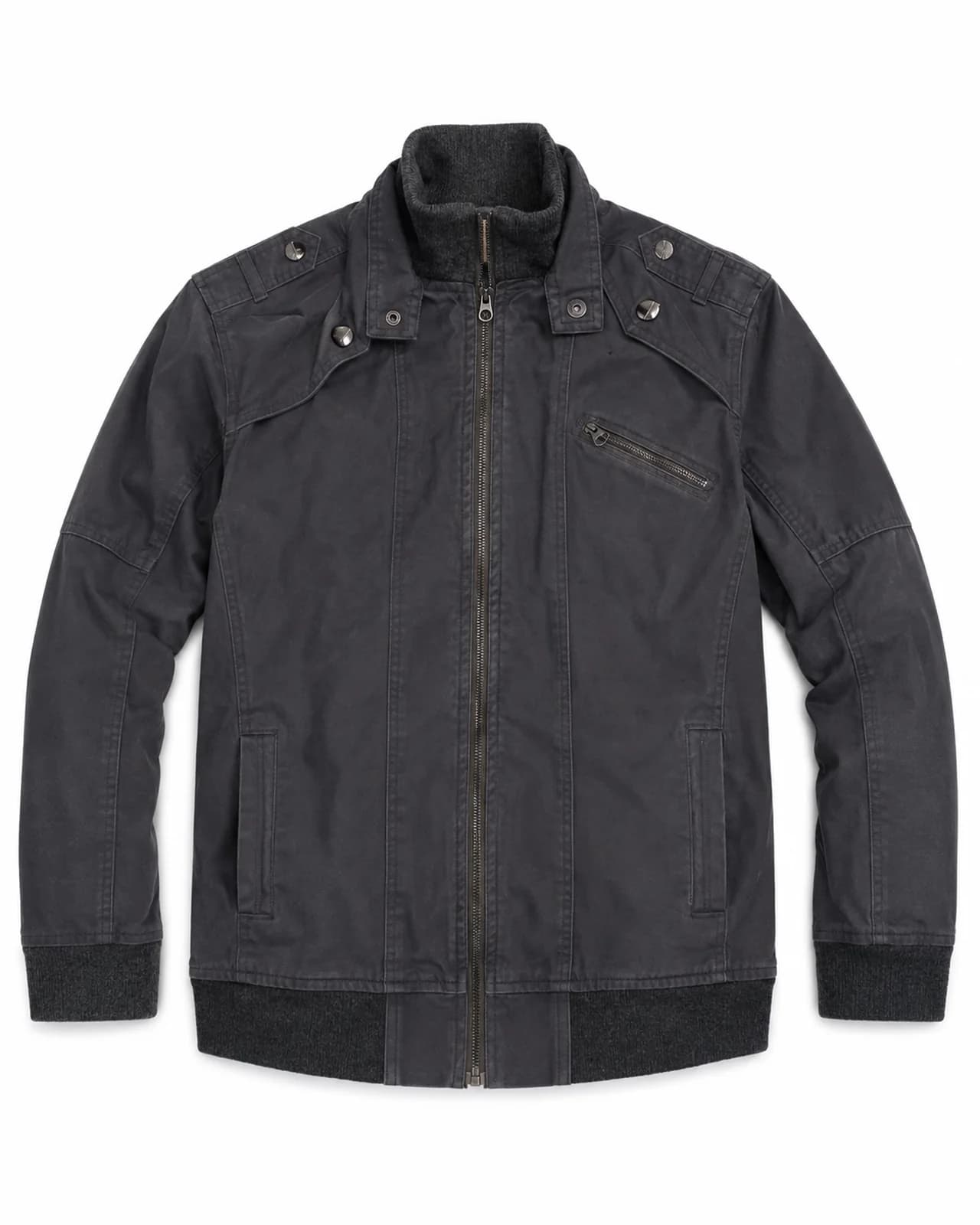
Industries: Grocery
High wash frequency, visible staining, and a program that has to look identical across every store.

The requirement
A grocery program is worn by more people, in more roles, in more locations than almost any other uniform category, and every one of those stores has to look like the same brand. That makes consistency across reorders the defining requirement, not any single garment feature.
The second requirement is staining. Deli, bakery, produce and butchery generate different soils, and a program that looks acceptable on day one but greys after forty industrial washes creates a replacement cost nobody budgeted for.
The practical consequence is that fabric and colour decisions matter far more than construction novelty. A well-chosen poly-cotton in an approved shade, produced consistently, outperforms a more interesting garment that drifts between deliveries.
Who wears the program
- Checkout and front end
- Deli and bakery counters
- Produce and stocking
- Butchery and fish
- Store management
Typical garments
- Bib aprons
- Uniform polos
- Work shirts
- Fleece layers
- Caps
Program design
- Fabric
- Poly-cotton twill for aprons, typically a 65/35 blend where a stain-release finish is required. Cotton or poly-cotton pique for polos, chosen for structure rather than softness. Polyester-rich blends hold colour better through high wash frequency; cotton-rich blends feel better but grey sooner.
- Durability
- Bar tacks at apron pocket mouths and strap attachments, which is where grocery aprons fail first. Stitch density and thread specified for industrial laundering rather than domestic washing.
- Comfort
- Weight matters more than it appears. A store worker is in the garment for a full shift, often moving between chilled and ambient areas. Breathable constructions and a fit that allows reaching and lifting reduce the number of staff who modify or abandon the garment.
- Decoration
- Embroidery for logos on polos and aprons where durability matters most. Screen print where a larger graphic or a departmental identifier is needed. Both approved on the bulk substrate, since apron twill and polo pique take decoration differently.
- Sizing
- Wide, inclusive size ranges with separate men's and women's blocks where the program requires them. Adjustable neck hardware on aprons reduces the number of sizes a store has to hold.
- Replenishment
- Grocery programs reorder continuously as staff turn over. That makes shade continuity across production lots the single most important quality attribute. A new starter should not be visibly wearing a different colour.
- Packing
- Usually solid-packed by size for distribution centre allocation, polybagged individually, with carton marking to the retailer's requirement. Ratio packs where stores order directly.
Buyer questions
Colour is approved once as a lab dip and retained as the standard. Incoming fabric is checked for shade against it, and cut panels are bundled by shade lot so a variation never reaches the sewing floor. Across reorders, the original approved standard remains the reference rather than the last delivery.
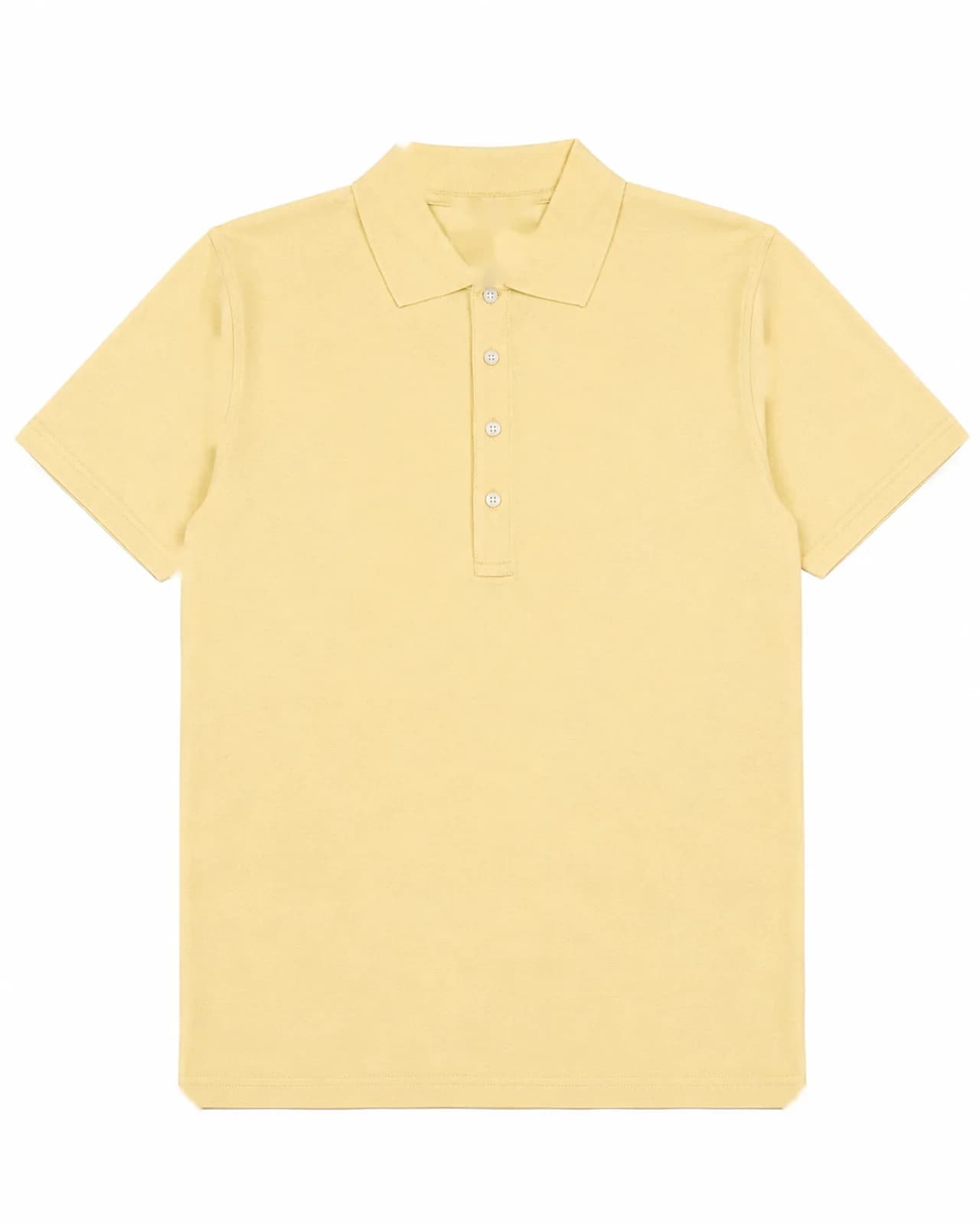
Most commonly bib and waist aprons, uniform polos, woven work shirts for some departments, and a fleece or sweatshirt layer for chilled areas. Developing them together keeps colour and decoration consistent across the whole program.
Yes: departmental colour coding is common. Where multiple shades run in one program, each is approved as its own lab dip and the whole set is confirmed together so they read as a family.
Send the articles you need and the environment they will be worn in. We will come back on fabric, construction and commercial FOB costing for the whole program.