Utility Work Shirt
Twin chest pockets, felled seams, buyer-specified closure
Representative article
Products: 01
Garments that have to survive a shift, a wash cycle and a reorder twelve months later looking like the first delivery.
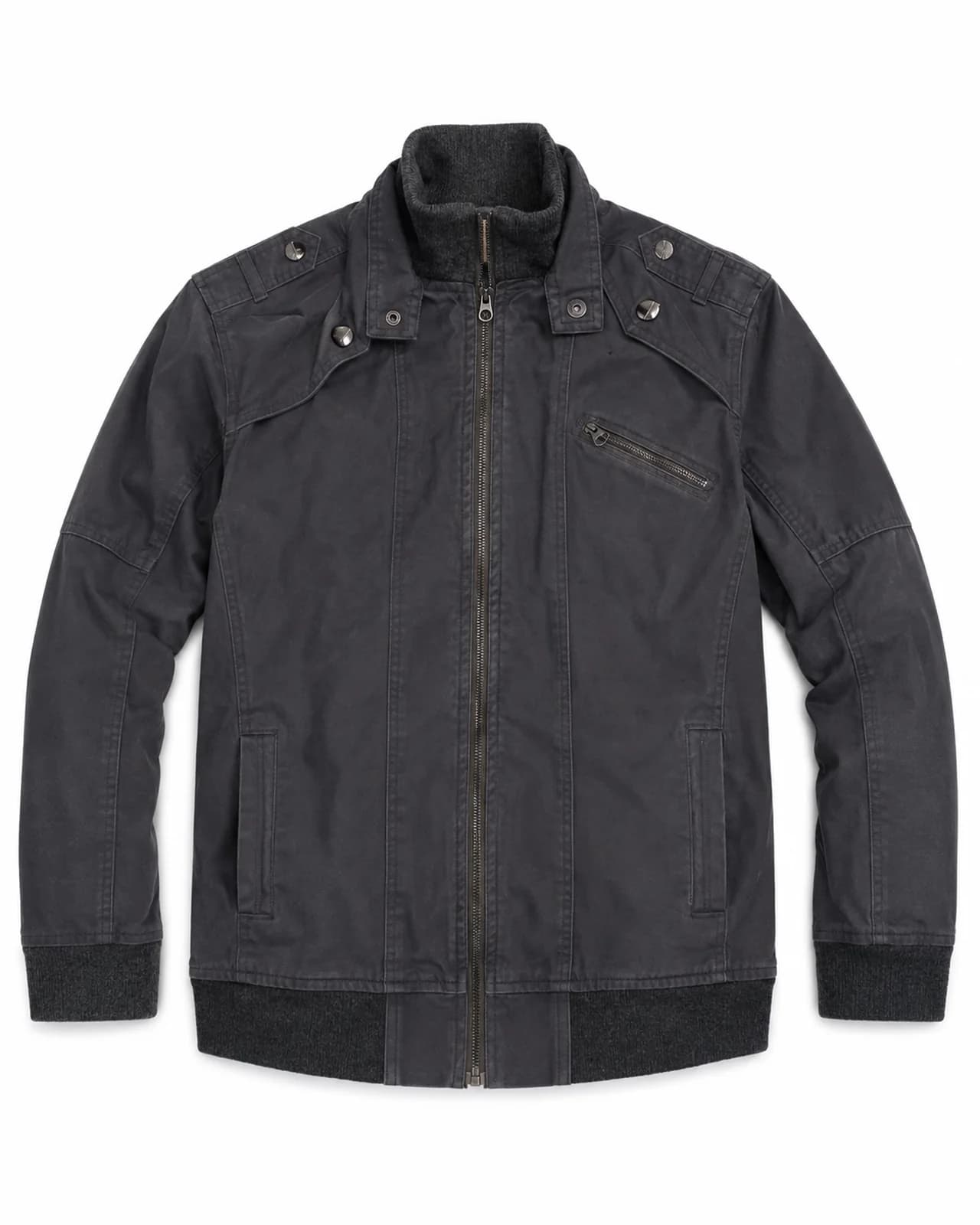
Product types
Twin chest pockets, felled seams, buyer-specified closure
Representative article
Four-pocket construction, reinforced stress points
Representative article
Knot or press-stud closure, vented back option
Representative article
Hi-vis is a certified product class. Tape configuration is built to the buyer's nominated standard, and the standard must be qualified before AHM quotes it
Representative article
Six-panel, buckram front, embroidery-ready
Representative article
Woven or printed to an approved colourway
Representative article
Specification
These are the fields resolved during development. Where a value depends on your program, we say so rather than publishing a number that would not survive contact with your specification.
Weights shown are typical ranges for this product class, given for orientation only. Final composition, weight, construction and finish are confirmed against your specification during development.
Approved as a strike-off or sew-out on the bulk fabric before production, not after.
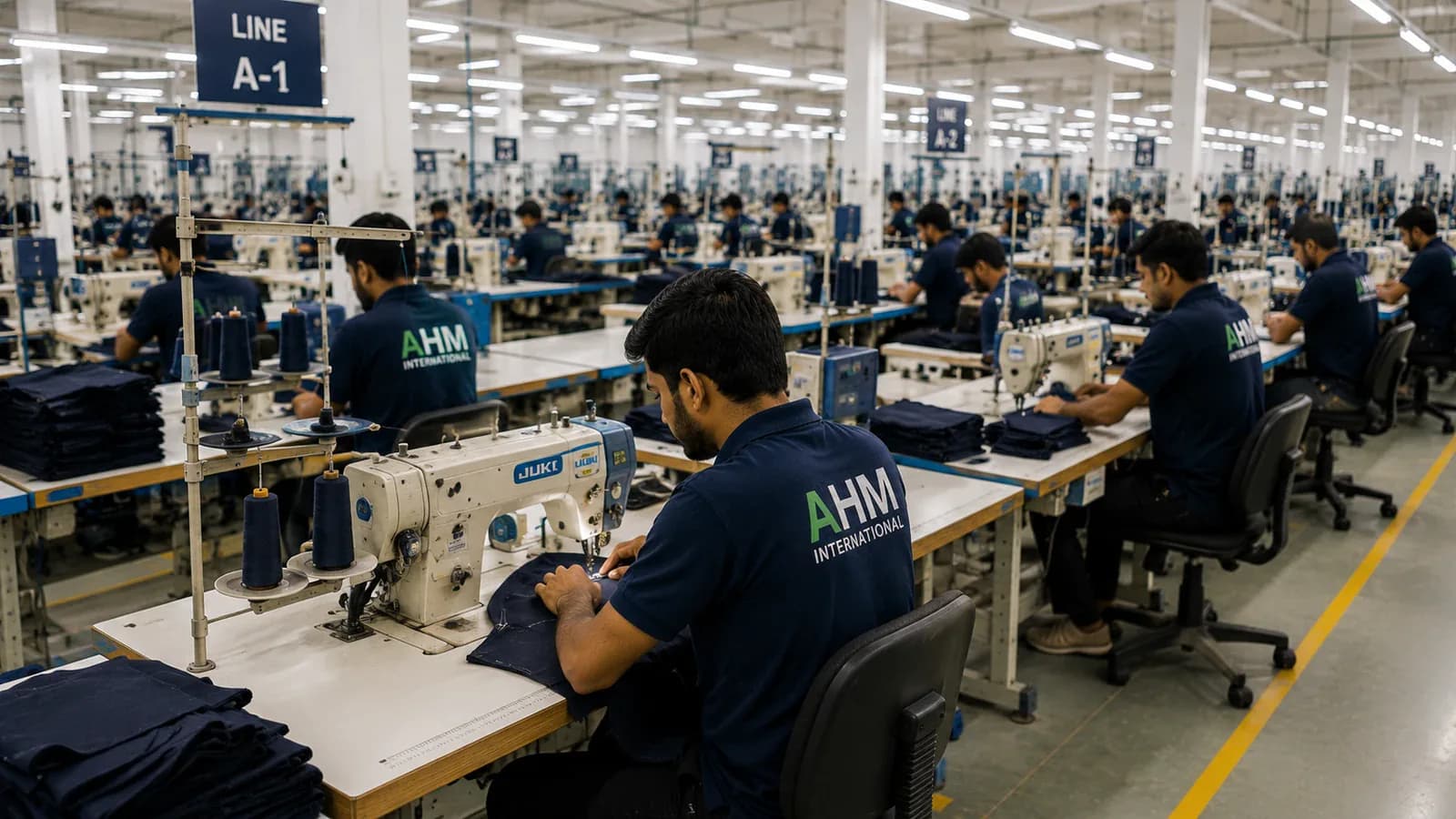

Production samples
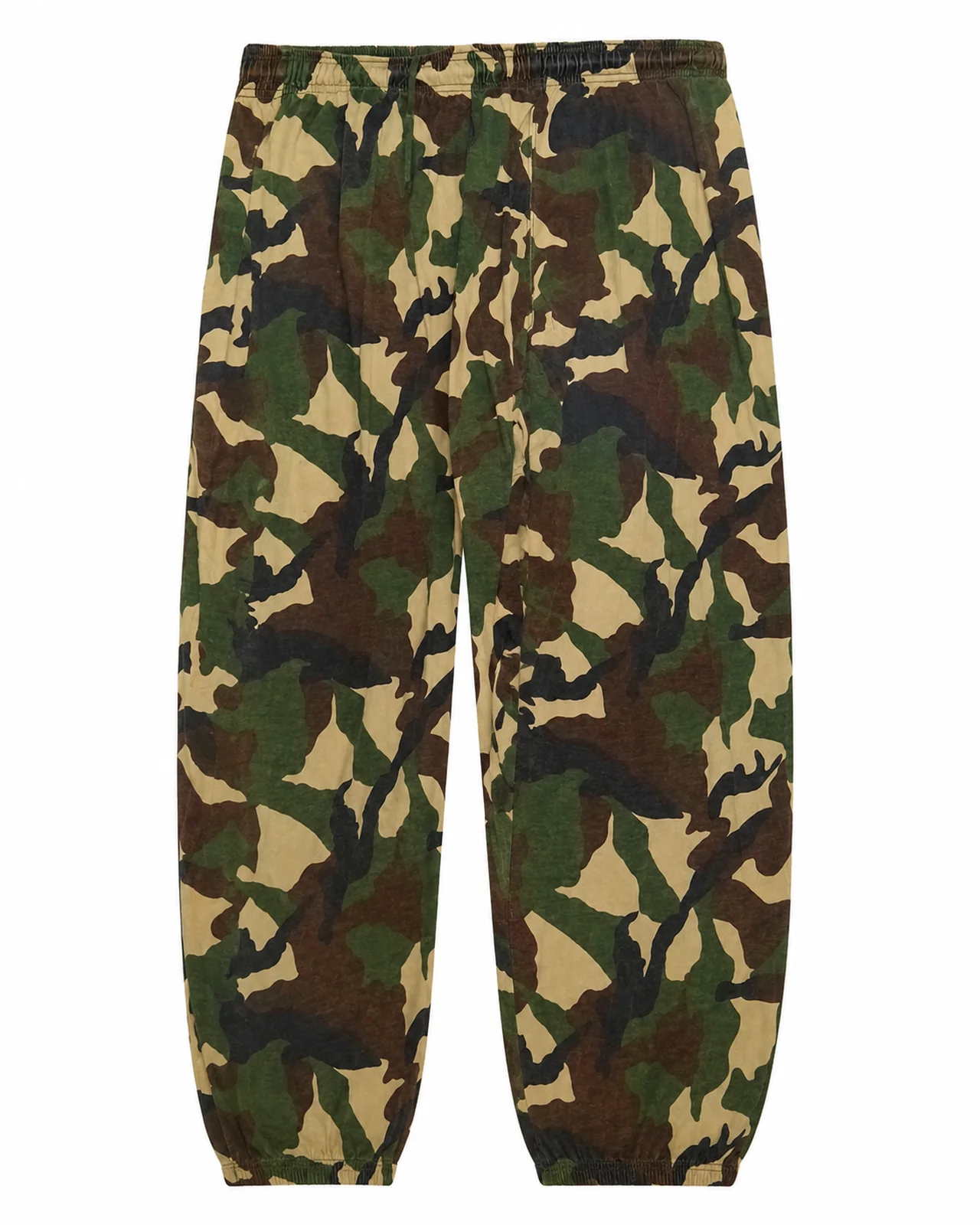
Articles produced to buyer specification, shown as construction references.
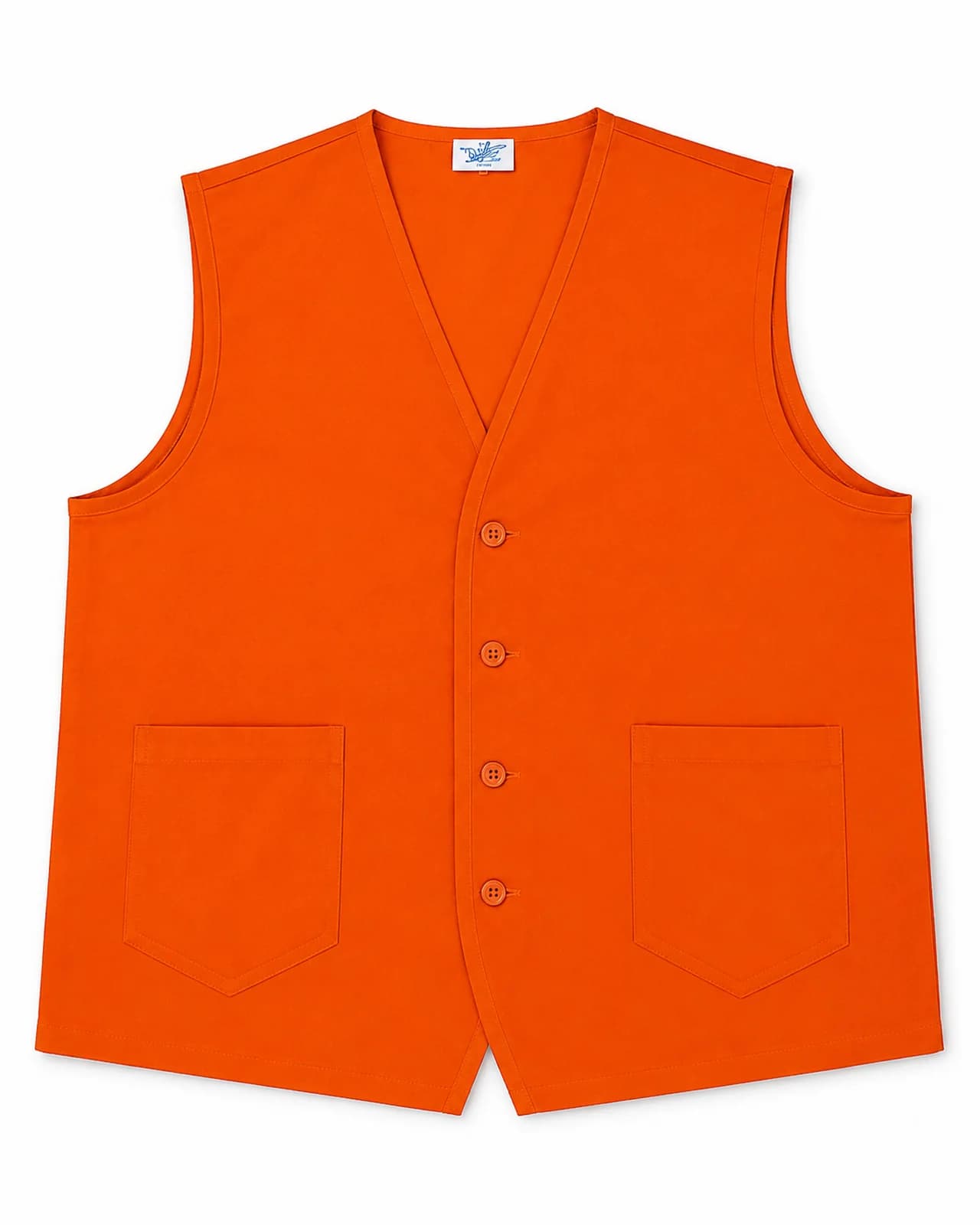
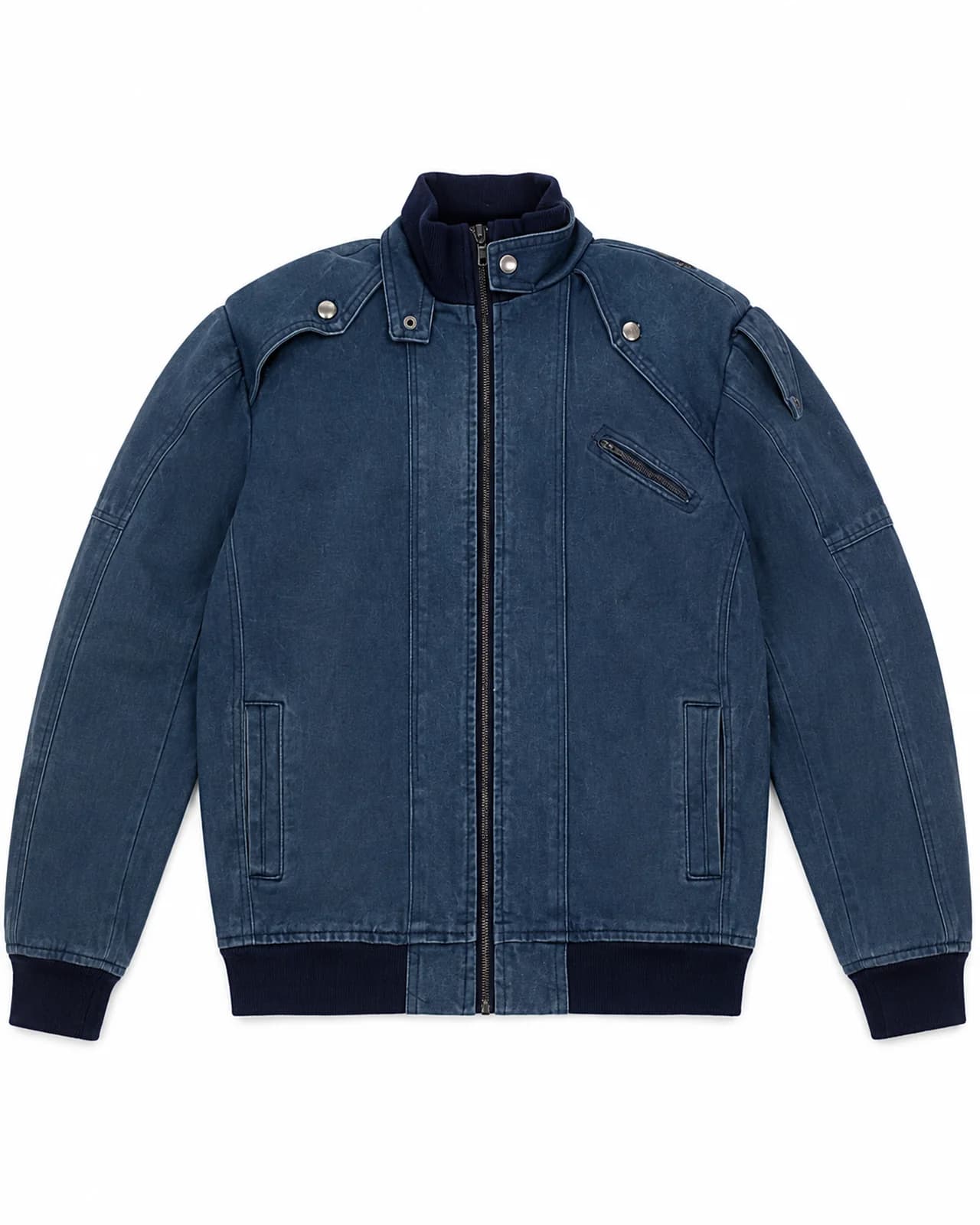
Development
The first five stages decide most of the cost. After approval, production is execution against a document you have already signed.
We review the specification, reference garment or sketch and come back with the questions that would otherwise surface as a failed first sample.
Materials are matched to the requirement and presented with the commercial consequence of each option attached.
FOB costing is built against the confirmed construction, materials, decoration, packing and quantity.
Proto and fit samples are produced against the specification, with a written comment sheet at every round.
Fit, measurements, colour and decoration are approved and locked as the reference for bulk.
Applications
Buyer questions
Yes. Send a current garment and we will measure it, identify the construction and propose a fabric match. Matching an incumbent article is usually more accurate than working from a written description, because the sample answers questions a specification often leaves open.
Colour is approved once as a lab dip and then applied across the program. Knit and woven fabrics take dye differently, so where a polo and a work shirt must match, we approve them against each other rather than against the standard separately.
We produce garments with reflective tape to the configuration a buyer specifies. Where a program requires certification to a visibility standard, that standard has to be nominated by the buyer and confirmed through approved testing. We do not claim conformity we cannot evidence.
Yes, and it is usually the better way to run one. Shared fabric across articles improves consumption, and a single development cycle keeps colour, labelling and packing consistent across the whole program.
Your size specification. Where you do not have one, we develop a size chart and confirm it with a size set before bulk. Extended and separate men's and women's blocks are handled at development, not retrofitted afterwards.
One style is enough to see how we work. Send a tech pack, a reference garment or a written requirement and we will come back on construction, materials and FOB costing.
Explore next
Polos & T-Shirts manufacturing
The highest-volume item in most uniform programs, and the one where collar recovery and colour consistency across reorders decide whether a buyer stays.
Fleece & Sweatshirts manufacturing
Sweatshirts, hoodies and full-zip fleece: the layer that gets worn outside the building, which makes it the most visible garment in the program.
Aprons manufacturing
The article AHM has documented export experience producing: a stain-managed poly-cotton bib apron for a United States uniform program.
Materials and fabric selection
Construction families, typical program weights, finishes and where each is used.
Quality assurance process
Where inspection happens and what is checked at each stage.
FOB export from Port Qasim
Documentation, packing, carton marking and handover.
