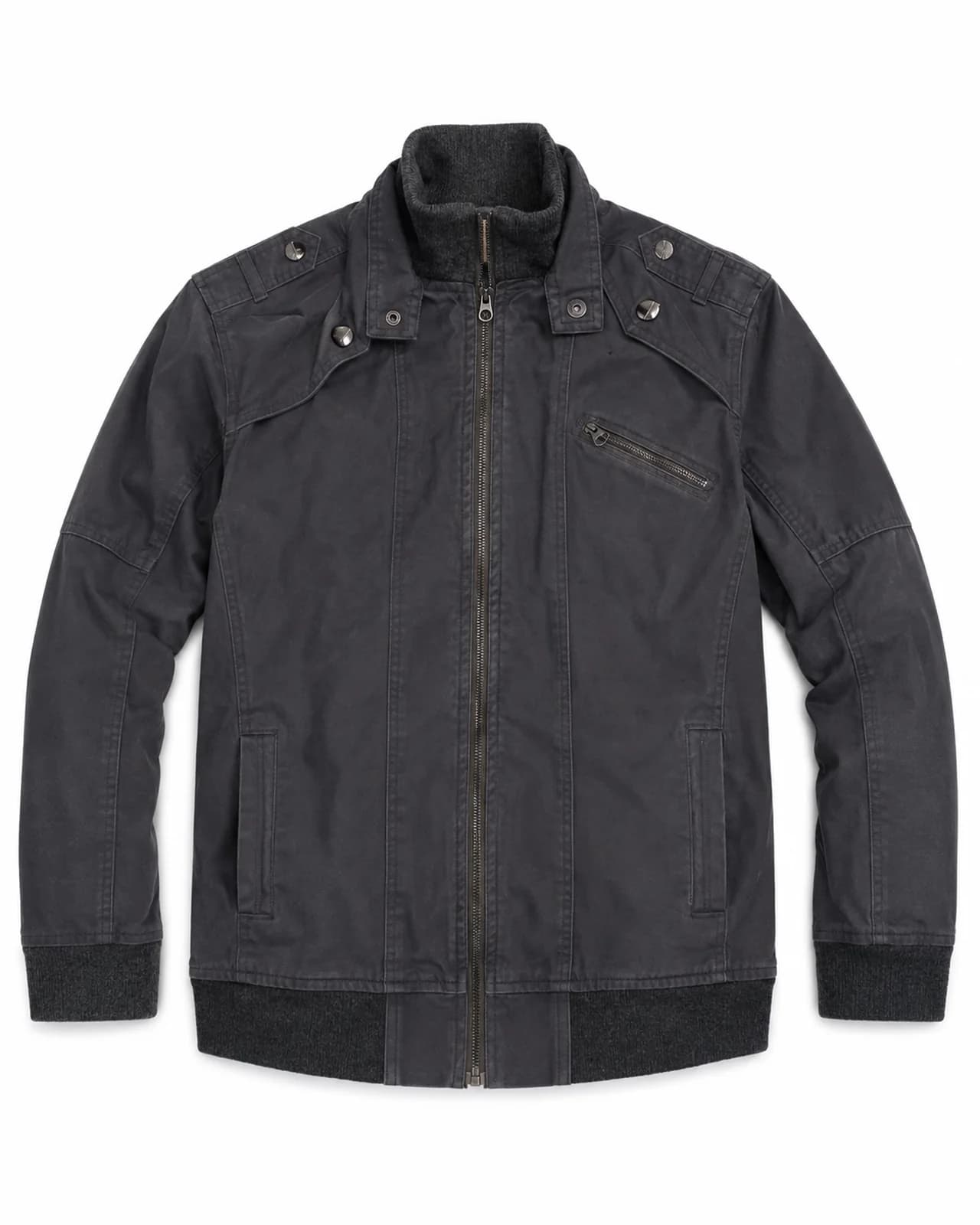
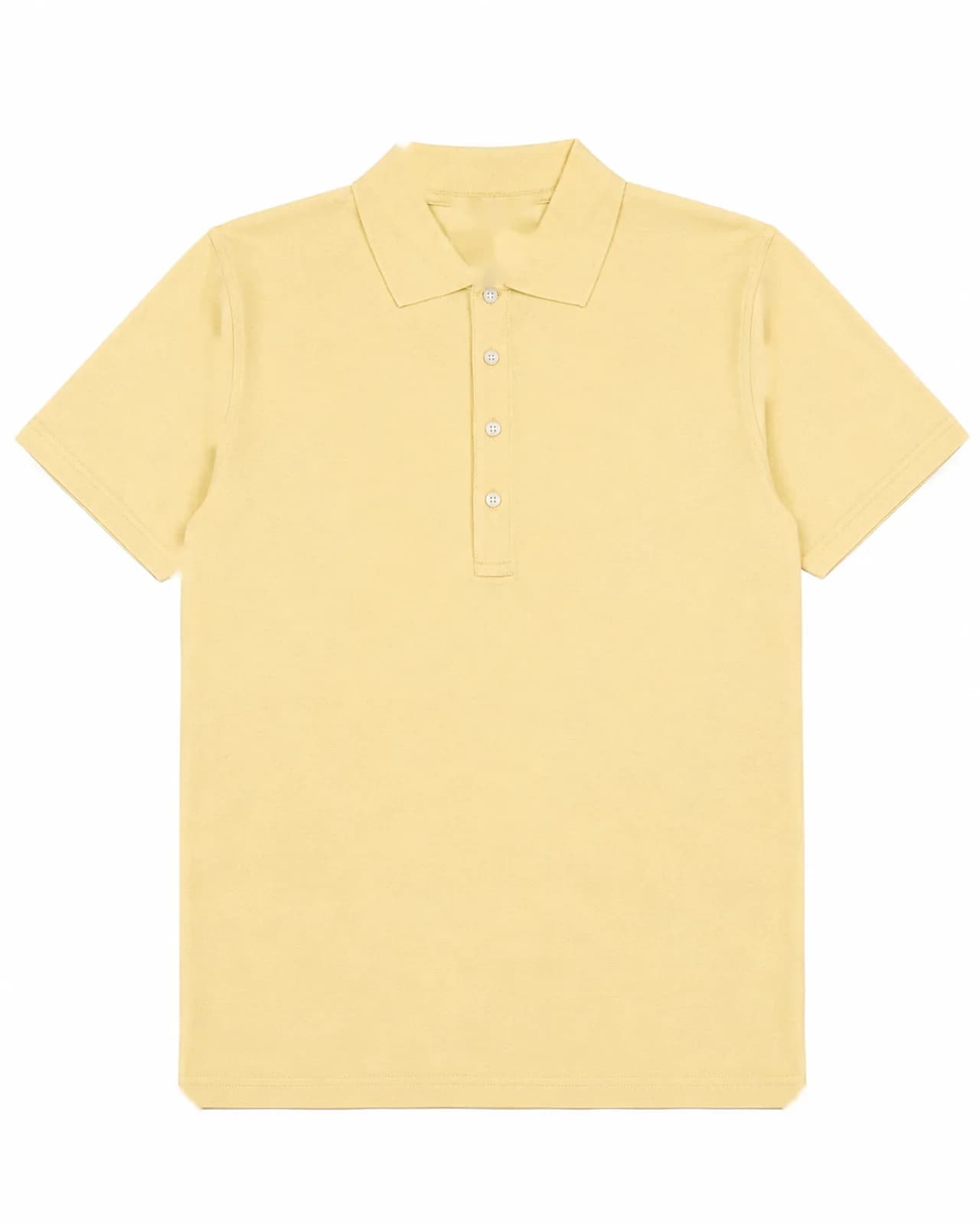
Classic Short-Sleeve Polo
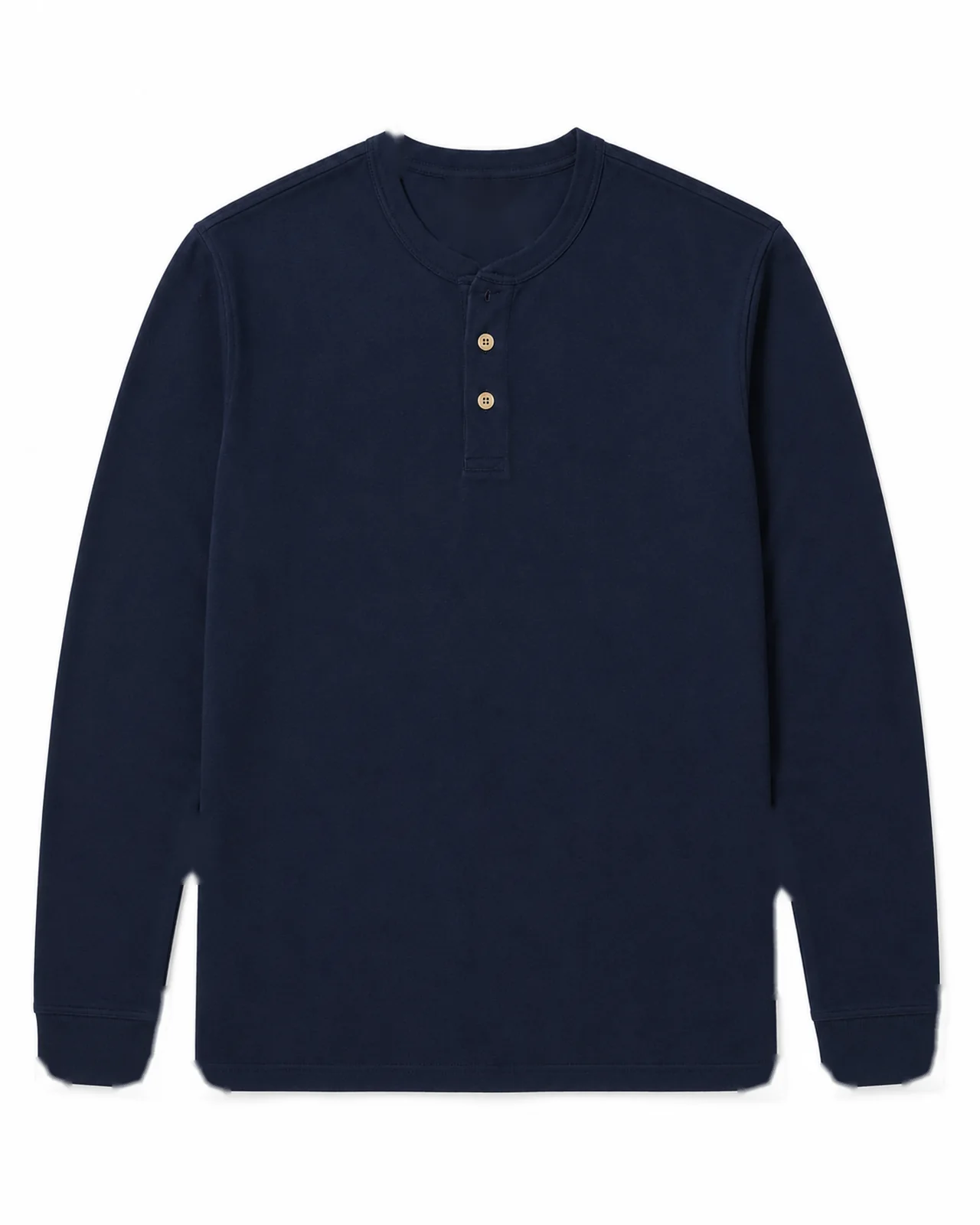
Rib collar and cuffs, three-button placket
Representative article
Products: 02
The highest-volume item in most uniform programs, and the one where collar recovery and colour consistency across reorders decide whether a buyer stays.

Product types
Rib collar and cuffs, three-button placket
Representative article
Rib cuff, side-vent option
Representative article
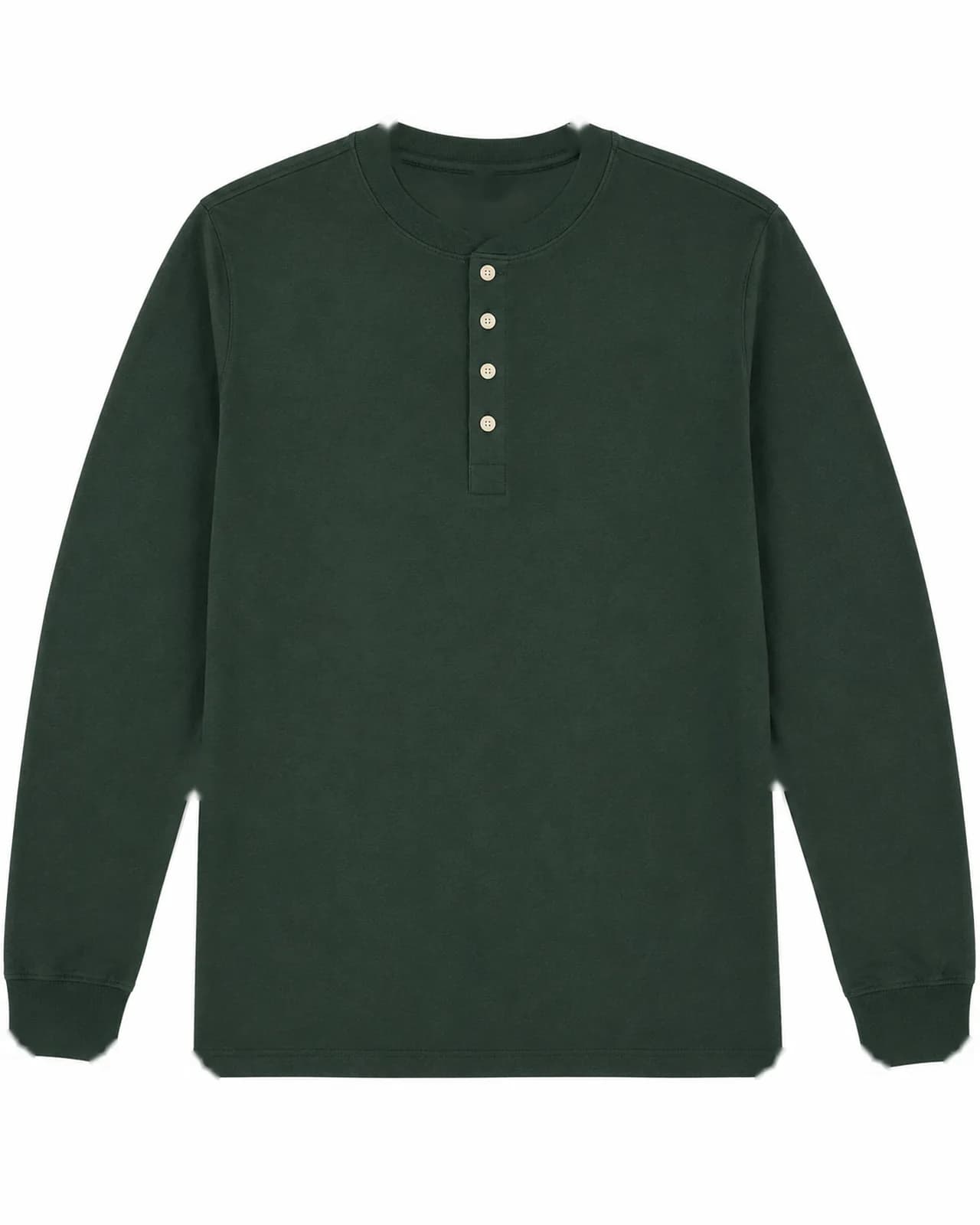
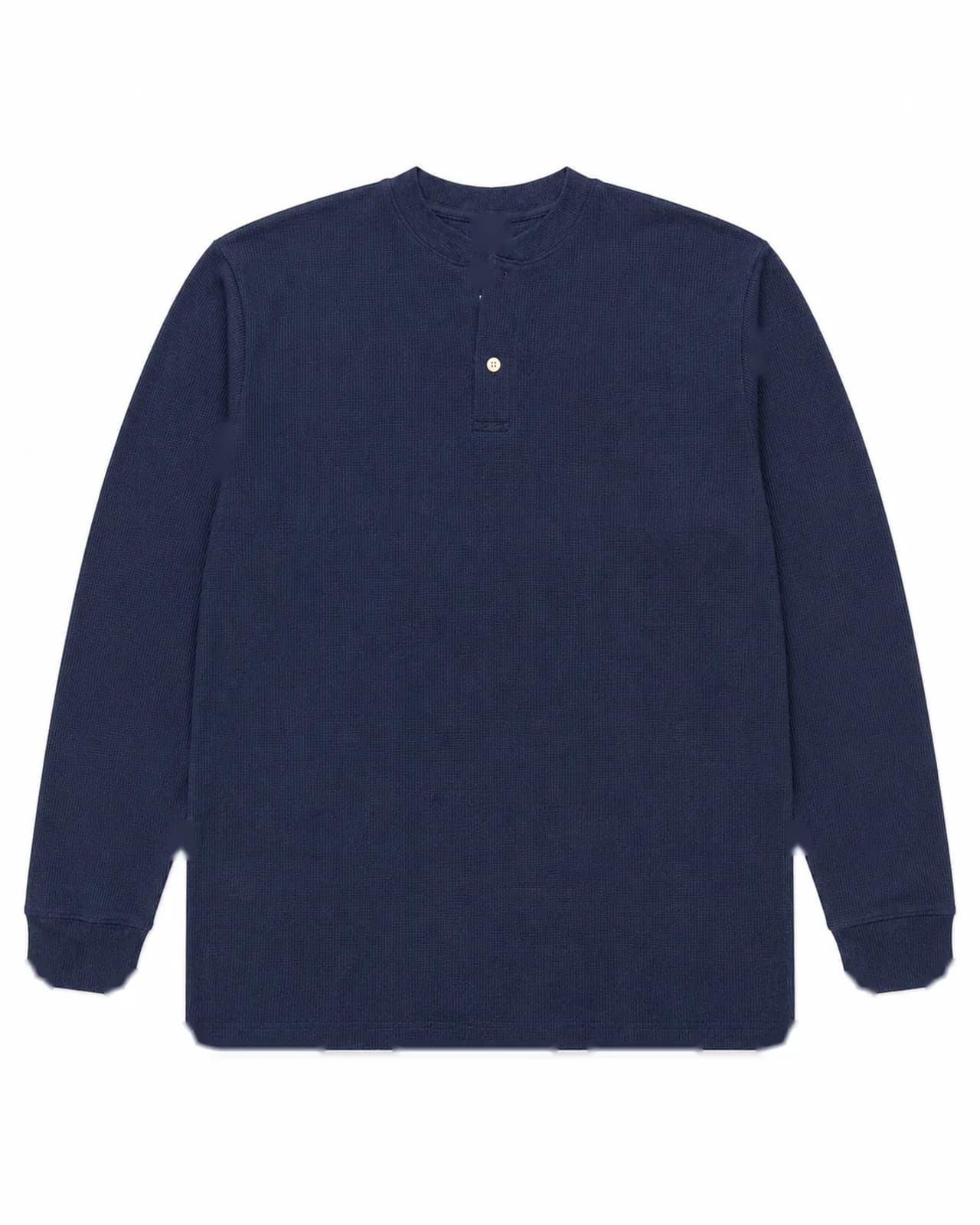
Rib neck with taped shoulder seam
Representative article
Specification
These are the fields resolved during development. Where a value depends on your program, we say so rather than publishing a number that would not survive contact with your specification.
Weights shown are typical ranges for this product class, given for orientation only. Final composition, weight, construction and finish are confirmed against your specification during development.
Approved as a strike-off or sew-out on the bulk fabric before production, not after.

Production samples
Articles produced to buyer specification, shown as construction references.


Development
The first five stages decide most of the cost. After approval, production is execution against a document you have already signed.
We review the specification, reference garment or sketch and come back with the questions that would otherwise surface as a failed first sample.
Materials are matched to the requirement and presented with the commercial consequence of each option attached.
FOB costing is built against the confirmed construction, materials, decoration, packing and quantity.
Proto and fit samples are produced against the specification, with a written comment sheet at every round.
Fit, measurements, colour and decoration are approved and locked as the reference for bulk.
Applications
Buyer questions
Pique is a textured knit that holds structure and hides light soiling, which is why most uniform polos use it. Jersey is smoother and softer but shows creasing and wear sooner in a high-wash program. Pique is the safer default for a program; jersey suits shorter-life event apparel.
Collar recovery is a function of the rib construction, the yarn and the finishing, not of the stitching. We approve the collar as part of the sample and, where a program is laundered industrially, recommend testing it against that wash cycle before bulk.
Yes, using performance polyester or a poly-blend with a wicking finish. The performance level depends on the fabric selected and is confirmed by testing. We do not print a performance claim on a label that has not been tested.
Yes. Printed neck labels, sewn main labels, woven and satin labels are all available. The choice affects comfort and cost, and is confirmed during development along with care and origin labelling.
Often, yes: a single jersey or CVC can serve both, which simplifies colour matching and improves fabric consumption. Where the polo needs pique and the tee needs jersey, we approve the two against each other for shade.
One style is enough to see how we work. Send a tech pack, a reference garment or a written requirement and we will come back on construction, materials and FOB costing.
Explore next
Uniform & Workwear manufacturing
Garments that have to survive a shift, a wash cycle and a reorder twelve months later looking like the first delivery.
Fleece & Sweatshirts manufacturing
Sweatshirts, hoodies and full-zip fleece: the layer that gets worn outside the building, which makes it the most visible garment in the program.
Aprons manufacturing
The article AHM has documented export experience producing: a stain-managed poly-cotton bib apron for a United States uniform program.
Materials and fabric selection
Construction families, typical program weights, finishes and where each is used.
Quality assurance process
Where inspection happens and what is checked at each stage.
FOB export from Port Qasim
Documentation, packing, carton marking and handover.
