Industries: Retail
Brand-accurate colour and decoration across a large, frequently refreshed workforce.

The requirement
Retail uniforms are brand assets. Colour accuracy and decoration quality are judged against the brand standard by people who look at that standard every day, which sets a higher bar than most uniform environments.
Retail programs also refresh more often than industrial ones. Seasonal changes, campaigns and rebrands mean the same supplier may run several variants a year.
That makes development speed and colour repeatability more valuable than maximum durability. The garment needs to look right and be reproducible, not last a decade.
Who wears the program
- Shop floor and sales
- Fitting room and service
- Stockroom
- Store management
- Seasonal and events staff
Typical garments
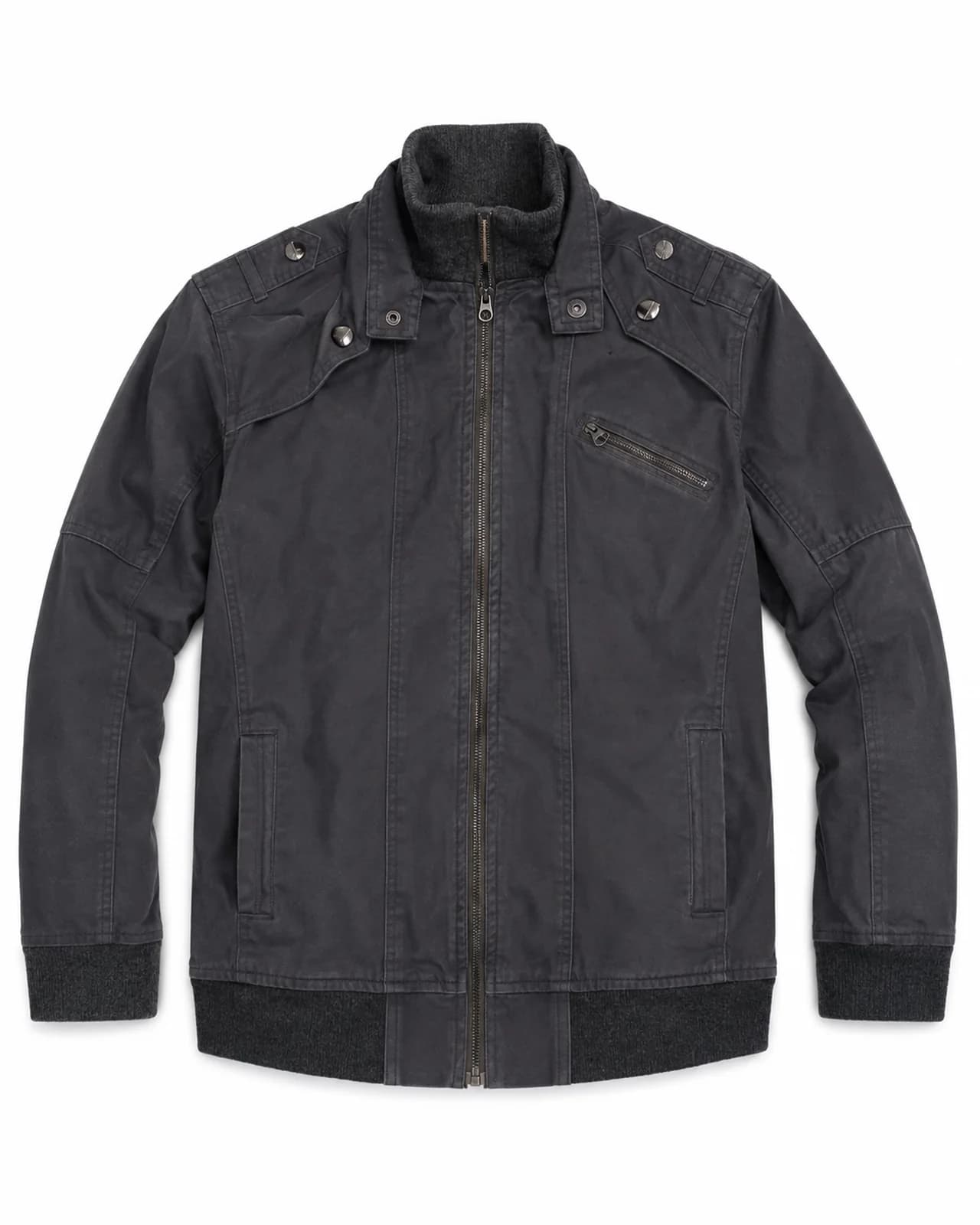
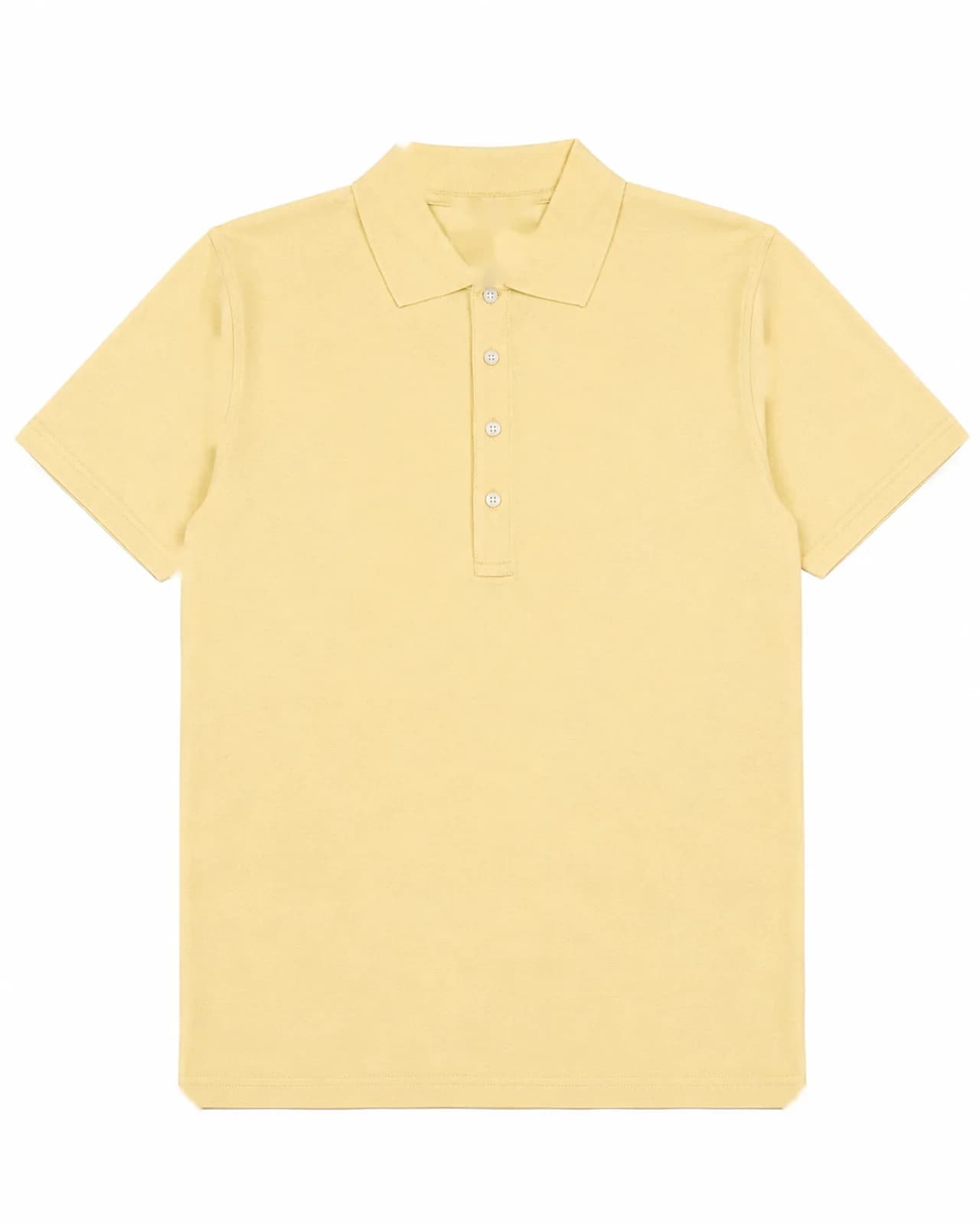
- Uniform polos
- T-shirts
- Sweatshirts
- Woven shirts
- Aprons
Program design
- Fabric
- Pique and jersey for knit programs, poplin and oxford for woven. Where the brand colour is distinctive, fabric choice is partly a dyeing question. Some shades are considerably harder to hold consistently on some constructions.
- Durability
- Moderate by uniform standards, but appearance retention matters: pilling, colour fade and collar deformation are more damaging to a retail program than seam failure.
- Comfort
- Staff are on the floor for full shifts and often interacting with customers, so hand feel and fit have a direct effect on how the uniform is worn and how it presents.
- Decoration
- Brand-accurate above all. Embroidery for durability, screen print or transfer for larger graphics, with colour matched to the brand standard and approved on the bulk substrate before production.
- Sizing
- Inclusive ranges, and separate men's and women's blocks where fit is part of the brand presentation. Size sets are approved before bulk.
- Replenishment
- Frequent partial reorders across a store estate, plus seasonal variants. Programs are specified so a repeat matches the original rather than the previous repeat.
- Packing
- Ratio-packed for store allocation or solid-packed for a distribution centre, individually polybagged, with retailer-specific labelling and carton marking where required.

Buyer questions
Colour is approved as a lab dip against your physical or numeric standard before bulk fabric is committed. Some shades are harder to hold on some constructions than others, where that is the case we say so during development rather than after the first delivery.
Yes. Once the base article is developed and the block is approved, seasonal colour and decoration variants are considerably faster to produce than a new development.
Yes, worked to the requirement you supply. Retailer packing specifications often affect carton sizing and therefore freight cost, so they are worth sharing at development rather than at packing.
Send the articles you need and the environment they will be worn in. We will come back on fabric, construction and commercial FOB costing for the whole program.