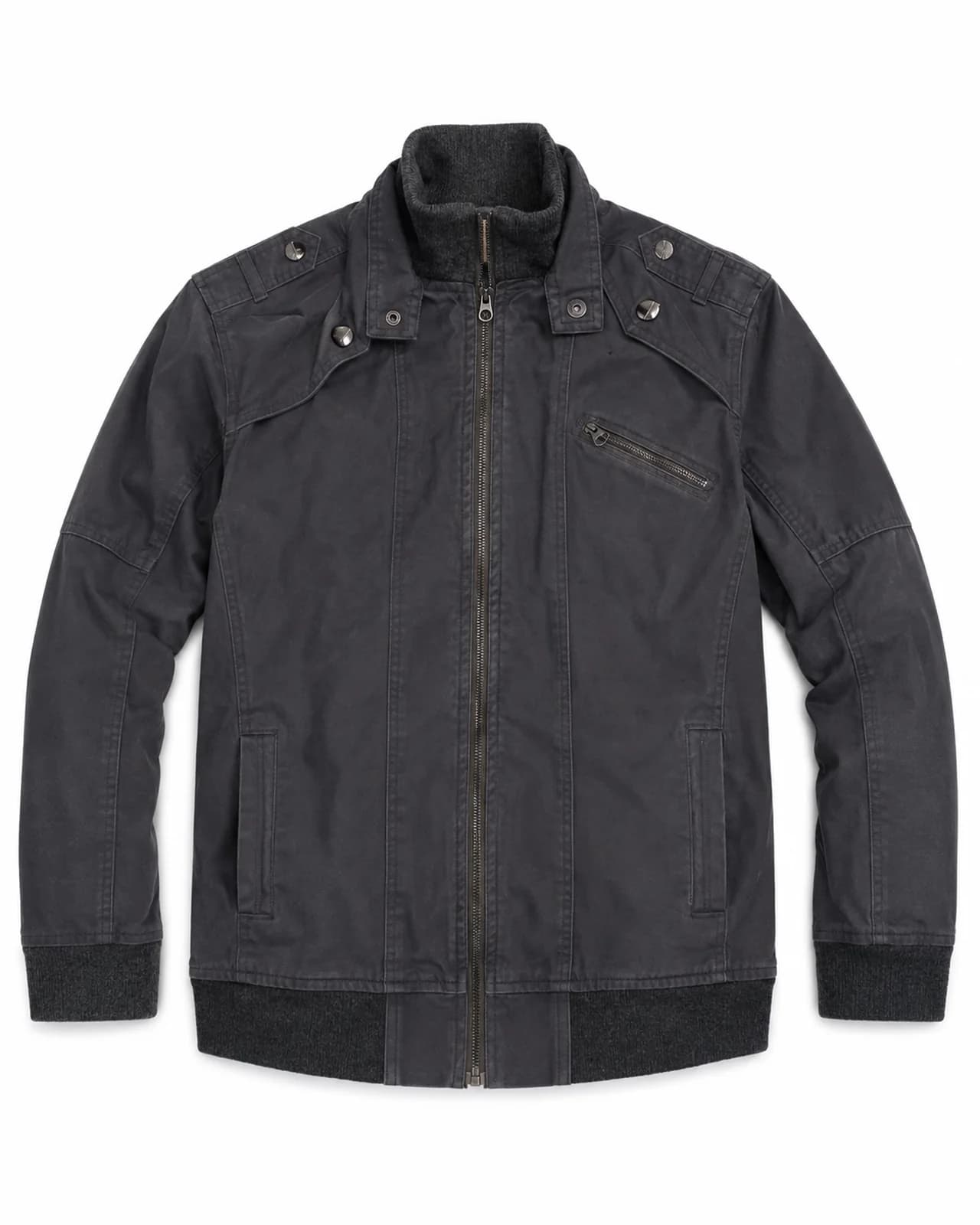
Manufacturing: stage 02 of 9
Fabric is usually the largest single line in an apparel cost and the hardest thing to change once a program is running. Sourcing it against the actual requirement, rather than against the nearest available roll, is what makes a reorder behave like the first shipment.
Process
- 01
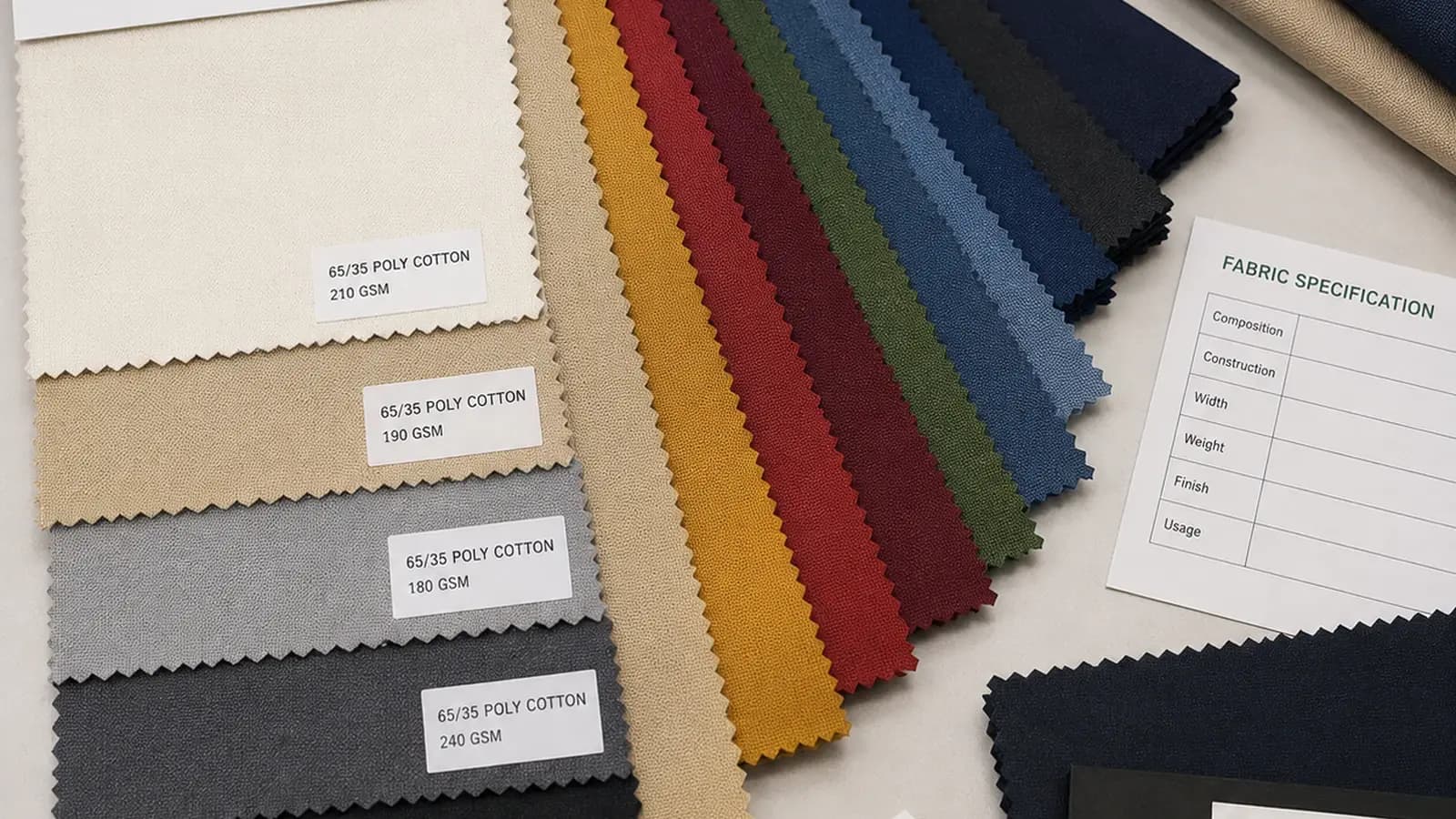
The requirement is defined first: composition, weight, hand feel, finish, colour and how the garment will be laundered.
- 02
Options are presented against that requirement, with the commercial consequence of each stated rather than buried.
- 03
Lab dips are submitted and approved against your colour standard before bulk fabric is committed.
- 04
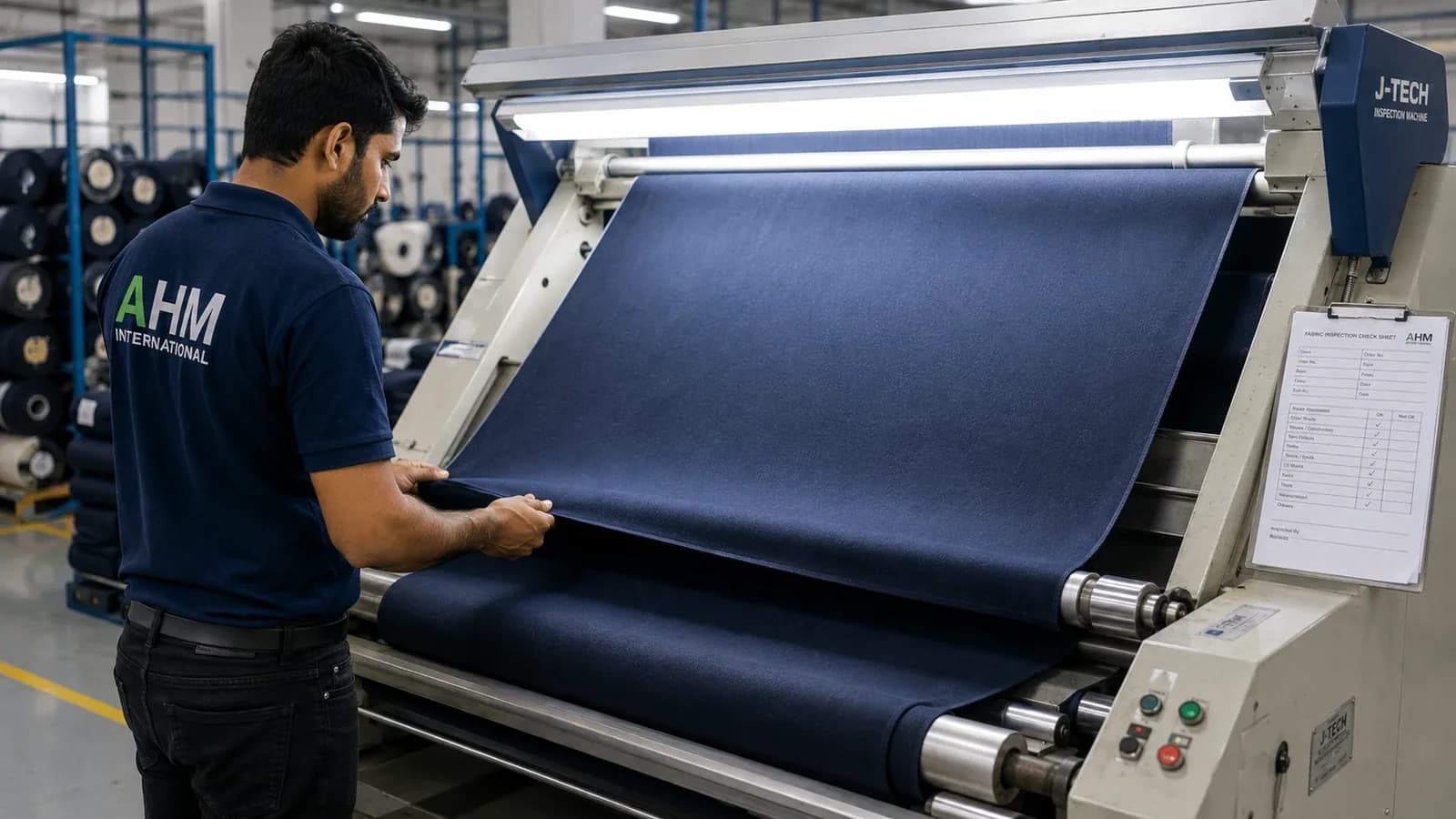
Bulk fabric is inspected on arrival for shade, weight, width and visible defects before anything is cut.
What you supply
- Composition and weight, or the performance requirement the fabric has to meet
- Colour standard or a physical reference
- Laundering method, if the program is industrially washed
- Any nominated mill or fabric supplier
What you receive
- Fabric options with commercial implications
- Approved lab dips
- Incoming fabric inspection record


Risk
Every stage has a characteristic failure. Naming it is more useful than claiming it never happens.
Colour is approved on a swatch and then drifts across bulk lots.
Shade is checked at incoming inspection and cut panels are bundled by shade lot, so a variation never reaches the sewing floor.
A fabric is selected on hand feel and then shrinks unacceptably in an industrial wash.
Where the program is industrially laundered, shrinkage behaviour is confirmed against that wash cycle before approval.
The specified fabric prices far above target and the whole quotation is rejected.
Alternatives are presented at the same time as the first choice, so cost engineering happens during development rather than after a failed quotation.
Buyer questions
Yes. Where your program nominates a fabric supplier we work to it. Where it is open, we source against the requirement and present options.
By approving them against each other rather than separately against the standard. Knit and woven fabrics take dye differently, so a program mixing both needs cross-approval to look consistent in the field.
Recycled content is supplied only against mill documentation. We will not describe a fabric as recycled or certified without the certificate to evidence it.
Send a specification and we will come back on construction, materials and commercial FOB costing against it.
Other manufacturing stages
Other manufacturing stages
Product Development
Development turns a reference garment, a sketch or a tech pack into a manufacturing specification the factory floor and your QA can both read the same way.
Sampling
Sampling is where the specification is proven.
Cut & Sew
Cutting decides fabric consumption, which decides a large part of the FOB price.